Diabetes and eyes
High blood sugar can damage the small blood vessels in the retina and cause vision problems.
Non-proliferative diabetic retinopathy (NPDR)
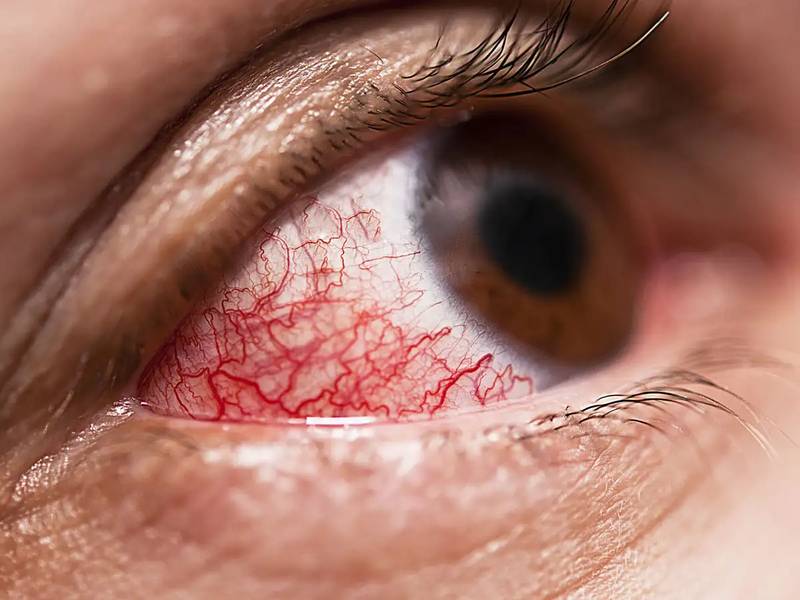
The small blood vessels in the retina are weakened and can leak fluid or blood. This causes blurry vision.
Proliferative retinopathy (PDR)
At a more advanced stage, new, fragile blood vessels are formed. These blood vessels easily bleed, which can cause severe vision loss. Regular eye checks and stable blood sugar and blood pressure levels can decrease the risk of damage.
Diabetic macular edema
The macula (the area for high-acuity vision) can swell when blood vessels are leaking. This can cause blurry and distorted vision. It’s important to start treatment early, to prevent permanent vision loss.
Symptoms – Diabetic retinopathy
Diabetic retinopathy usually doesn’t cause any problems at first. The symptoms appear once there’s bleeding within the eye, or swelling of the macula.
Sudden vision impairment – from bleeding
- Bleeding from new, fragile blood vessels can cause sudden vision impairment. You might notice:
- Eye floaters, dots or lines drifting across your field of vision
- Blurred vision
- Shadows or a dark haze in your field of vision
-
Gradual deterioration in vision – from macular swelling
- Vision gradually deteriorates, sometimes during months or years. You might notice:
- Difficulty reading
- Difficulty recognizing faces
- Deteriorating distance vision (can impact your ability to drive)
-
Signs of retinal detachment
- New blood vessels can increase risk of retinal detachment. Be mindful of:
- Seeing sparks at the periphery of vision
- Eye floaters
- A growing shadow et the edge of the field of view
-
Screening
Regular fundus exams are vital if you have diabetes type 1 or 2. By discovering changes in the retina early on, you can get treatment before your vision is affected. Contact us and we will help you further.
Getting an exam
If you have diabetes, your diabetes doctor will generally give you a referral for fundus photography. Usually, you will automatically get invited to the next regular exam, but it’s good to keep track of when it’s time.
How does fundus photography work?
During fundus photography, the back of the eye, where the retina is, is photographed using a special camera. To make the photos as clear as possible, you will get eyedrops that dilate the pupils. It takes 10-30 minutes before the pupils have dilated enough. The photography itself is quick. It takes 5-10 minutes and is painless. The entire visit takes longer however, since you need to wait for the eyedrops to work.
After the exam
It’s normal for your vision to be blurry for a few hours, since the pupils are dilated. Because of this, you should not drive after the exam. You can also become sensitive to light, so it can be nice to wear sunglasses. The symptoms usually go away within four hours, but can sometimes affect your vision for up to three days.
Treatment
Diabetic retinopathy can be treated in three different ways:
- Injections to the eye
- Laser treatment in hospital
- Surgery in hospital
-
Injections to the eye
Injections can be used to treat macular swelling.
- You lie on a stretcher.
- The eye is cleaned and covered with sterile sheets.
- The eye is anesthetized with eye drops.
- The injection itself takes 1-2 seconds and the entire visit takes around 10 minutes.
- It’s generally painless.
-
We are an authorised centre by Region Skane.

 العربية
 Svenska

.webp?locale=en)
%20(1).avif?locale=en)
.jpg?locale=en)
.jpg?locale=en)
